
The time management skills and disciplines that you develop as a student can help you for the rest of your life.
Do something today that your future self will thank you for.
Here are some tips to help you develop good time management skills.
 A. Create good study habits
1. Study at the same time each day so that it becomes a habit.
2. Plan for weekly reviews.
3. Set aside blocks of study time (about 45 minutes each).
4. Keep your study area just for studying and get rid of distractions.
5. Write down assignments in every class including the DUE DATE and then check off items as you complete them.
6. Take advantage of open “time windows.”
- Use the time you spend waiting, walking, riding, etc. to review what you’ve learned.
- Just before class, quickly review your notes or readings relating to that class.
B. Plan Properly for Peak Performance
1. Set up a school-year calendar to get a big picture of your semester–don’t include too much detail at this point.
2. Schedule your fixed commitments. Block out time for papers, projects, readings, meetings, scheduled exams, holidays, breaks, presentations, etc.
- Allot time for planned recreation, sports, club activities, etc.
- Enter important dates for your social and family life.
- Leave free time for yourself so you have flexibility.
3. Make a Weekly Schedule. Once a week block out time on a more detailed level for important commitments and deadlines you need to meet. Schedule meetings with yourself to work on back-burner items.
4. Make a Daily To-Do List. At the end of each day organize and schedule your next day. Include routines, errands, and study time.
C. Follow your plan
1. Don’t let peer pressure or the quest for short-term gratification dictate what you consider important.
2. Focus on the goals you’ve set for yourself and follow up on your true top priorities.
3. Align your priorities with your long-term values and goals.
D. Set priorities: There’s always more to do than you have time for
1. Be mindful that the actions you take today will plant the seeds for your long-term success or failure.
2. Think of the possible actions you can take today that will contribute to your success.
a. Go over each action you’ve thought of and ask yourself, “What positive things might happen if I make this a top priority?”
b. Ask yourself, “What negative things might happen if I don’t make it a top priority?”
c. Write down the answers you’ve come up with and sort things out by asking yourself three more questions.
1. How good or bad are the best and the worst things that might happen?
2. What are the probabilities of the best and the worst thing happening?
3. How much time and energy would I have to invest?
E. Overcome procrastination
Without a date, you’ll procrastinate. Whenever you get an assignment, set a goal for when you’re going to start it so you can finish without a last minute panic.
1. Once you’re given a due date on an assignment, count backwards from the due date to establish a start date. Take into account time you’ll be spending on other items like social events, sports, etc. Refer to your school calendar where you’ve blocked out time you’ve committed to other things.
2. Keep stress to a minimum. Start early to avoid a frantic finish.
3. If you usually wait until the last minute to study or work on an assignment, instead of making your goal to finish on time, make your goal to finish early.
4. Remember the riddle, “How do you eat an elephant?” The answer: “A bite at a time.”
If it’s a big assignment, break it into small steps.
F. Look Back From the Future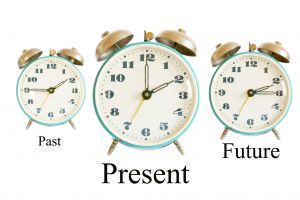
Things that appear critically important today might seem relatively unimportant when you view them from a future perspective. Also, things that appear to be relatively unimportant today might be very important when you view them from a future perspective.
Looking back from the future–“backcasting” instead of forecasting–which items will have been the most significant for you to have accomplished to achieve your ideal week, month, year, and life?
“Backcasting” one week from now? ………………………………………………..
“Backcasting” one month from now? ………………………………………………..
“Backcasting” one year from now? ………………………………………………….
“Backcasting” five years from now? ………………………………………………..
“Backcasting” from near the end of your life? …………………………………….
School represents a time in your life that may have a major impact on how the rest of your life turns out. Your success tomorrow depends on what actions you take today. Keep that in perspective so that the daily decisions you make are wise ones.
You may copy, reprint or forward all or part of this Time Tips article. Please credit the information to
Time management expert, Peter Turla